Discover the Benefits of Conex Container Homes in China?
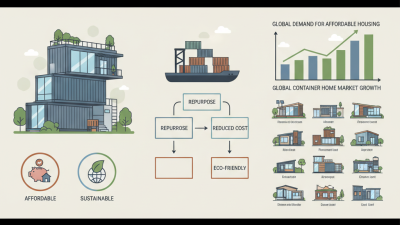
In recent years, conex container homes have emerged as a viable and innovative housing solution in China. These versatile structures offer numerous benefits, transforming how people view affordable living. With rising urbanization, the demand for unique housing options has increased. Conex container homes are eco-friendly, durable, and cost-effective.
Moreover, these homes can be customized to fit various styles and needs. Some may question their aesthetics, yet many designs can mimic traditional properties. This flexibility attracts a diverse audience, from young professionals to growing families. However, there are challenges. Not everyone is familiar with the concept of container living, and some may doubt its longevity and comfort.
Despite these concerns, the popularity of conex container homes continues to rise. They represent a forward-thinking approach to housing in crowded urban centers. As China looks towards sustainable living, these homes could play a pivotal role in meeting housing needs while minimizing environmental impact. The future might hold more than just a trend; it could reshape the lifestyle choices of many.
The Rise of Conex Container Homes in China
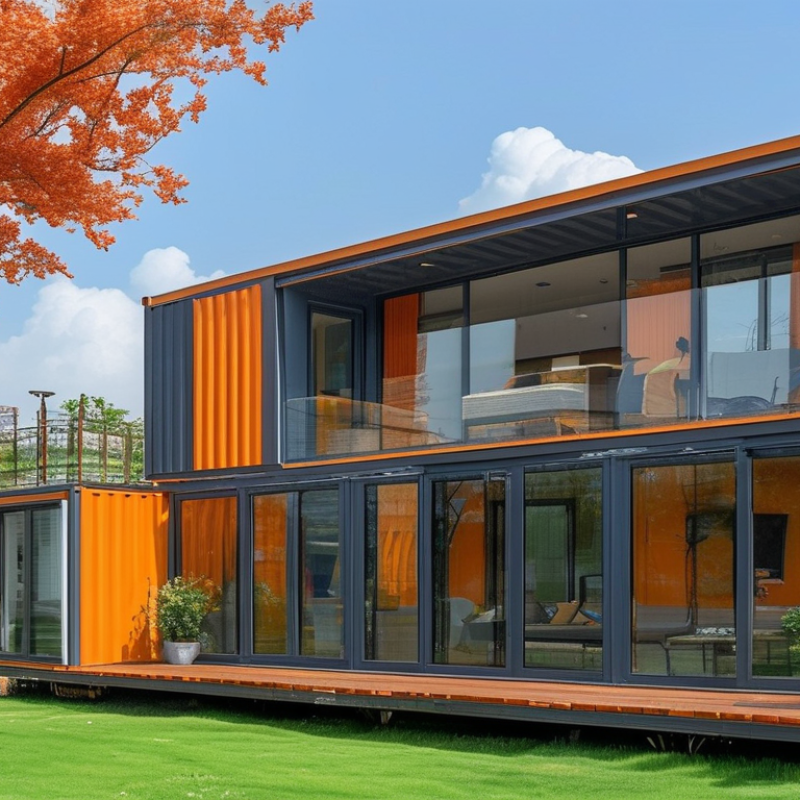
The rise of Conex container homes in China reflects a growing trend in sustainable and affordable housing. According to a report by the China Urban Planning Society, urban dwellers are increasingly seeking innovative solutions to housing shortages. Conex container homes offer a flexible and efficient approach, as they can be easily transported and repurposed. The adaptability of these structures makes them a practical choice for both urban and rural settings.
Industry data shows that container homes can be built at a cost of approximately 30% less than traditional houses. This economic advantage appeals to young professionals and families looking for affordability. However, not all Conex homes meet regulations. Design and insulation standards are often overlooked, leading to potential long-term issues. Stakeholders must consider environmental impact and long-term sustainability when planning these projects.
Furthermore, while container homes are eco-friendly, some may argue that they lack aesthetic appeal. For many, the industrial look may not be desirable. This aspect can deter potential homeowners but offers a chance for innovative designs to emerge. As the market grows, it will be crucial for developers to address these concerns and ensure that these homes fulfill the needs of modern living.
Discover the Benefits of Conex Container Homes in China
| Benefit |
Description |
Impact |
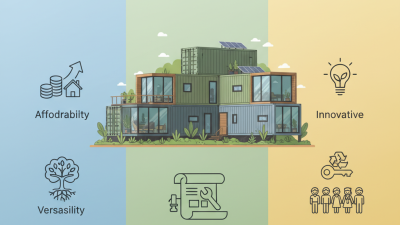
| Affordability |
Conex container homes are typically cheaper to construct compared to traditional homes. |
Increased access to affordable housing. |
| Sustainability |
Repurposing shipping containers helps reduce waste and lowers the environmental footprint. |
Promotes eco-friendly living. |
| Mobility |
Container homes can be relocated easily, offering flexibility for owners. |
Ideal for temporary or semi-permanent housing solutions. |
| Durability |
Built to endure harsh transportation and weather conditions, these homes are robust. |
Longer lifespan with lower maintenance costs. |
| Customizability |
Container homes can be easily modified for personal design preferences. |
Increased satisfaction from personalized living spaces. |
Key Features of Conex Container Homes
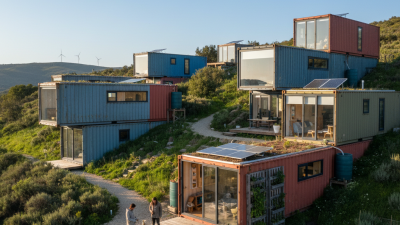
Conex container homes are gaining popularity in China. These structures provide unique benefits worth exploring. One key feature is their versatility. Whether you're looking for a cozy residence or a functional office space, Conex containers can be tailored to fit your needs. With various sizes and layouts available, customization options are almost endless. Builders can create multi-story units or combine several containers for larger projects.
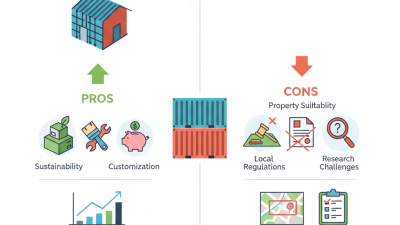
Durability is another significant characteristic. Made from high-strength steel, Conex containers withstand harsh weather conditions. They are resistant to mold, pests, and decay, making them a reliable choice for long-term living. However, some might find issues with insulation and temperature control. While many addresses these challenges, it can result in extra costs and effort.
Eco-friendliness sets Conex container homes apart. They repurpose materials that would otherwise contribute to waste. This aspect appeals to environmentally conscious individuals. Yet, the overall energy efficiency still requires careful planning. Proper design and installation are crucial. Without these, homes may fall short of sustainability goals. It's essential to weigh both benefits and potential drawbacks before making a decision.
Environmental Benefits of Using Conex Container Homes
Conex container homes are gaining popularity in China due to their unique environmental benefits. These homes are made from recycled shipping containers, which significantly reduces waste. By repurposing these containers, we contribute to a circular economy, lessening the demand for new materials. This helps in conserving natural resources and reducing carbon footprints.
Moreover, Conex homes are energy-efficient. Their steel structures provide excellent insulation, which can help maintain comfortable indoor temperatures. Using energy-efficient designs can further reduce reliance on heating and cooling systems. However, there are challenges to consider. For example, the insulation must be carefully planned to avoid condensation issues. Proper ventilation is also crucial to ensure air quality.
Additionally, construction time is faster with Conex homes, which can help minimize environmental disruption. But not everyone may find this option appealing. Some may worry about the aesthetics or durability of such structures. Reflecting on these factors can help potential homeowners make informed decisions about embracing this innovative housing solution.
Cost-Effectiveness of Conex Container Homes in Urban Areas
Conex container homes offer an innovative housing solution in urban China. Their cost-effectiveness makes them a viable option for many. The modular design allows for easy transportation and quick assembly, reducing construction time and labor costs. With rising urban housing prices, these container homes present an affordable alternative.
Living in a Conex container home can significantly lower monthly expenses. Their energy-efficient features can reduce utility bills. However, there might be challenges regarding zoning regulations in urban areas. Homeowners should be prepared to navigate these hurdles. Additionally, while stylistically unique, container homes require a thoughtful approach to insulation and ventilation. These factors can affect comfort levels, especially in extreme weather.
Residents can personalize their container homes for aesthetic appeal. The layout allows for creativity, but space limitations might prompt compromises. Exploring these homes' many benefits is essential, even with imperfections. Many find that while Conex homes offer a practical solution, it’s important to weigh choices carefully.
Challenges and Solutions in Implementing Container Homes in China
Container homes in China offer numerous advantages, such as affordability and environmental sustainability. However, implementing these structures is not without its challenges. One key issue is the local building codes. Many areas in China have stringent regulations that may not accommodate container homes easily. According to a report by the China Urban Planning Society, over 70% of urban areas have outdated zoning laws that prioritize traditional construction methods.
Another challenge is public perception. Many people view container homes as substandard or temporary solutions. A survey from the Ministry of Housing and Urban-Rural Development indicated that nearly 65% of respondents doubted the durability and safety of these homes. Overcoming this skepticism requires education and outreach to highlight the benefits of container homes. They can be constructed quickly and with less waste compared to traditional methods.
Finding suitable and affordable land is a significant hurdle as well. Urban land in China is limited and expensive. Reports from real estate analysts show that container homes are often relegated to suburban areas, limiting their appeal. Solutions may include partnerships with local governments to identify underutilized land or pilot projects that showcase successful container home communities. Addressing these challenges could lead to broader acceptance and increased use of container homes throughout China.