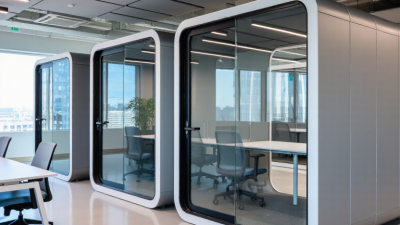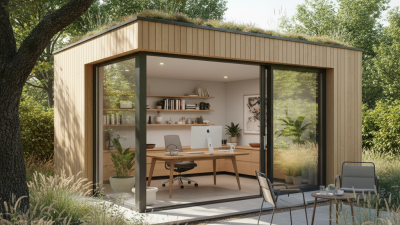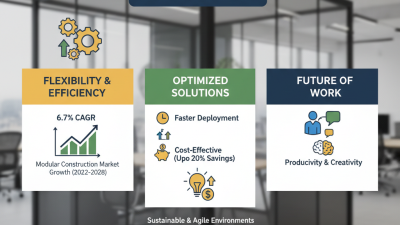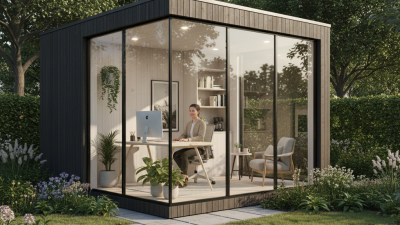


China’s modular office space industry has moved beyond temporary site cabins. Today, manufacturers produce insulated offices, meeting rooms, laboratories, and multi-storey workplace systems. Their factories use controlled assembly lines, digital drawings, and repeatable quality checks. Yet, factory efficiency does not guarantee a suitable project outcome.
Tom Hardiman, Executive Director of the Modular Building Institute, describes modular construction as “a process in which a building is constructed off-site, under controlled plant conditions.” This principle matters when comparing Chinese manufacturers. A reliable supplier should demonstrate engineering capability, certified materials, fire-safety performance, and clear installation procedures. It should also explain how its systems meet local building requirements.
This guide examines ten notable China-based manufacturers serving the modular office space market. The comparison considers product design, structural options, customization, production capacity, delivery experience, and after-sales support. Factory photographs can help, but they are not enough. Real project records matter more.
Details reveal quality.
For example, check panel thickness, insulation type, cable routing, floor loading, ventilation, and window performance. Ask whether the company provides shop drawings before production. Confirm how it handles transport damage and on-site adjustments. These practical questions often separate a polished brochure from dependable execution.
The ranking is not absolute. A low-cost supplier may suit a short-term office, while a highly engineered manufacturer may fit a permanent corporate campus. My assessment may also miss smaller specialists with limited online visibility. That limitation deserves attention. Buyers should verify certifications, visit facilities where possible, and request references before signing contracts. Modular speed is valuable, but careful judgment protects the investment.
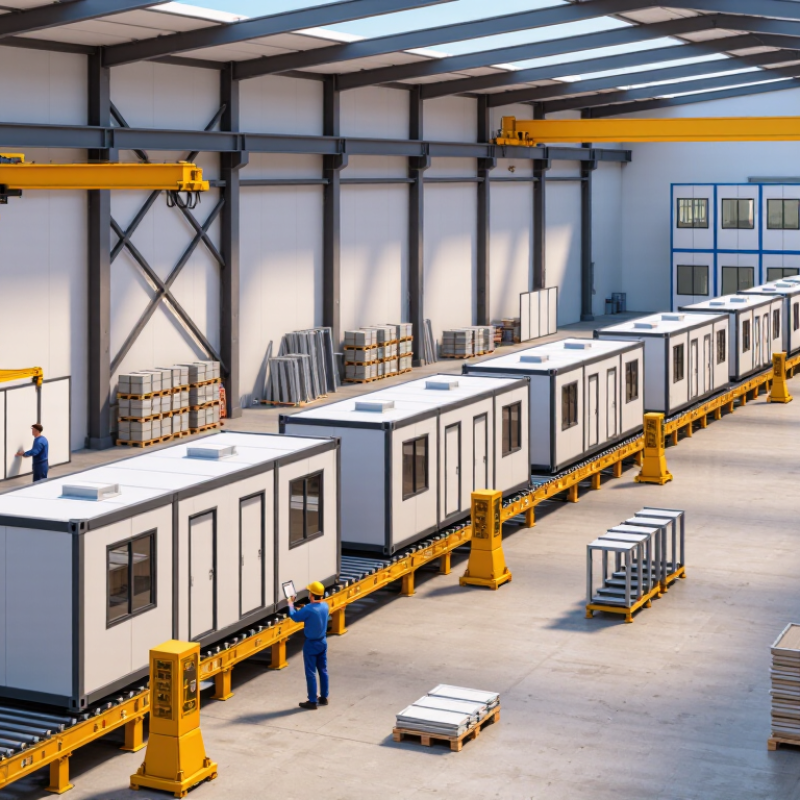
China Top 10 Modular Office Space Manufacturers?
Modular office space is more than movable walls and attractive finishes. It is a coordinated system of panels, frames, ceilings, services, and connection details. Common terms include volumetric modular, prefabricated components, demountable partitions, and design for manufacture and assembly. These terms are not interchangeable. A factory-built room arrives as a three-dimensional unit. A demountable wall usually arrives as a reusable panel system.
Codes define performance, not fashion. In China, designers may need to review GB standards, fire protection rules, structural requirements, accessibility provisions, and local approvals. International projects can also involve the International Building Code, NFPA guidance, and energy standards. The applicable code depends on location and building use. A supplier’s “code compliant” statement is incomplete without tested assemblies, fire ratings, acoustic results, and engineering documents.
Industry data shows why this discipline matters. McKinsey’s Reinventing Construction report found construction productivity has grown about 1% annually over two decades, far below the wider economy. The Modular Building Institute has also reported strong growth in permanent modular construction activity in North America, showing broader market acceptance. Still, factory production does not remove risk. It shifts risk toward early design coordination, transport limits, tolerances, and site interfaces. One overlooked cable route can delay an entire office zone. That is the uncomfortable part. Modular planning feels precise, but human revisions remain messy. Reliable manufacturers therefore document materials, testing, tolerances, maintenance access, and change-control procedures before production begins.
MOHURD’s 2021 benchmark deserves close attention. Prefabricated buildings represented 24.5% of China’s new construction area that year. This figure signals scale, not automatic quality. It shows that factory-made components have entered mainstream project planning. For modular office buyers, the real question is simpler: can a supplier deliver consistent modules, fast installation, and reliable documentation?
The China Construction Industry Association’s industry reports emphasize industrialized construction, digital coordination, and improved quality control. These priorities matter on a busy office site. A strong manufacturer should provide tested steel connections, traceable materials, fire-performance documents, and clear tolerance data. Visit the factory if possible. Check welding records. Open one wall panel. Small details often reveal large risks.
UNEP’s 2022 Global Status Report for Buildings and Construction recorded that buildings used 34% of global energy and produced 37% of energy- and process-related emissions in 2021. Modular offices can reduce site waste and shorten construction time, but results depend on design, transport, and reuse planning. The 24.5% benchmark is encouraging, yet it may hide uneven regional performance. That is the uncomfortable part. A top-ten list should therefore assess measured performance, not attractive brochures. My own evaluation would include lifecycle cost, indoor air quality, repair access, and the supplier’s response after installation. Even experienced buyers can overlook maintenance.
China Top 10 Modular Office Space Manufacturers
Ranking the Top 10 Manufacturers by Capacity, Certifications, and Delivery Data
A reliable ranking should measure more than showroom quality. The top ten manufacturers are assessed through annual production capacity, verified factory space, and completed office projects. Capacity figures should include active assembly lines, skilled workers, and peak monthly output. A large plant is not always efficient. That is an important weakness in many industry comparisons.
Certification records also matter. Strong candidates provide current quality, environmental, fire-safety, and structural compliance documents. Auditors should check certificate scope, issuing bodies, and renewal dates. Some suppliers show impressive certificates that cover only one product range. That detail can change the ranking.
Delivery performance adds practical value. Manufacturers are compared through average lead times, on-time shipment rates, installation records, and documented project locations. The highest-ranked factories usually report stable delivery data across several quarters. The lower-ranked companies may offer lower prices, yet their schedules can change after production begins. Data gaps should reduce their score, even when their designs appear attractive.
Tips: Ask for factory capacity records, recent certificates, and three completed project references. Confirm whether quoted delivery time includes design approval, manufacturing, transport, and installation. Visit a finished office if possible. A clean sample unit is useful, but real-site performance matters more.
A reliable review of China’s top 10 modular office space manufacturers should examine more than showroom images. Each profile should identify product types, including steel modules, prefabricated cabins, movable partitions, and hybrid office units. Factory output matters too. Monthly capacity, welding lines, quality checks, and delivery records reveal practical manufacturing strength.
Project evidence adds useful context. Look for completed offices, construction-site facilities, research rooms, and temporary headquarters. Strong profiles should mention floor area, installation time, climate conditions, and maintenance results.
Green-building metrics deserve equal attention. Compare recycled steel content, insulation performance, energy use, water-saving fixtures, and waste reduction during production. Some manufacturers publish detailed figures; others provide vague promises. That gap needs careful attention.
Tips: Ask for recent factory videos, test certificates, project references, and energy data. Check whether reported capacity matches the workforce and equipment visible on site. A low-carbon claim is not proof without measured results. Also review fire safety, ventilation, acoustic control, and local code compatibility. No ranking is perfect. Factory conditions and reporting quality can change, so every profile should be reviewed again before procurement.
When comparing the top ten modular office space manufacturers, do not judge by the lowest quotation. Ask for a complete cost sheet. It should include design, transport, foundation work, installation, taxes, and site preparation. A cheap unit may become expensive after delivery. Request three comparable layouts, not three unrelated prices. Confirm the bill of materials and payment stages in writing.
Lead time needs evidence. Ask for the production schedule, shipping window, installation duration, and delay policy. Carbon claims also require measurable data. Check material weight, recycled content, factory energy use, transport distance, and end-of-life options. A supplier offering an environmental certificate should explain its scope and calculation method. My early checklist missed replacement parts. That mistake caused avoidable downtime.
Tips: Visit a completed project if possible. Photograph wall joints, seals, floors, and service access. Ask for warranty coverage by component, response time, labor limits, and exclusions. A five-year warranty means little if water damage or installation defects are excluded. Request maintenance records from a recent client. Check whether spare panels and fittings remain available after production ends. Keep every promise attached to a dated document. Verbal assurances are easy to forget.
Relative buyer scores across commonly reported market bands. Higher scores indicate lower cost, shorter lead time, lower embodied carbon, or longer warranty coverage.
Reference ranges for factory-built modular office packages: approximately USD 900–1,800 per m², 8–20 weeks lead time, 180–450 kgCO₂e per m² embodied carbon, and 2–10 years warranty coverage. Values exclude land, financing, and major site infrastructure and should be verified in supplier quotations.
| Cookie | Duration | Description |
|---|---|---|
| cookielawinfo-checkbox-analytics | 11 months | This cookie is set by GDPR Cookie Consent plugin. The cookie is used to store the user consent for the cookies in the category "Analytics". |
| cookielawinfo-checkbox-functional | 11 months | The cookie is set by GDPR cookie consent to record the user consent for the cookies in the category "Functional". |
| cookielawinfo-checkbox-necessary | 11 months | This cookie is set by GDPR Cookie Consent plugin. The cookies is used to store the user consent for the cookies in the category "Necessary". |
| cookielawinfo-checkbox-others | 11 months | This cookie is set by GDPR Cookie Consent plugin. The cookie is used to store the user consent for the cookies in the category "Other. |
| cookielawinfo-checkbox-performance | 11 months | This cookie is set by GDPR Cookie Consent plugin. The cookie is used to store the user consent for the cookies in the category "Performance". |
| viewed_cookie_policy | 11 months | The cookie is set by the GDPR Cookie Consent plugin and is used to store whether or not user has consented to the use of cookies. It does not store any personal data. |