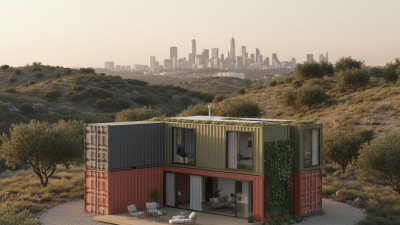
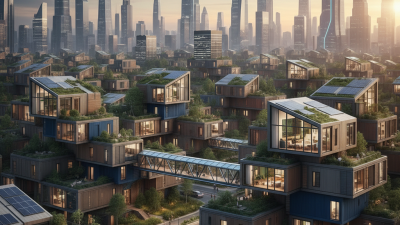
Are Converted Container Homes the Best Choice for You?
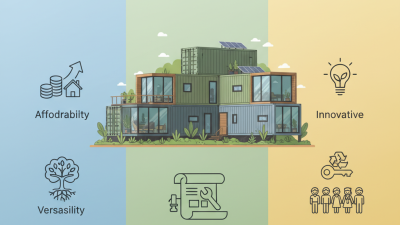
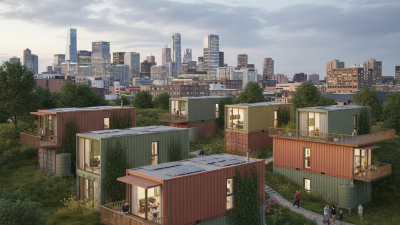
In recent years, converted container homes have gained significant popularity as an alternative housing option. These innovative structures offer unique designs and sustainable living solutions. Many individuals are drawn to the idea of transforming shipping containers into cozy, functional homes. They represent a shift toward more environmentally friendly construction practices.
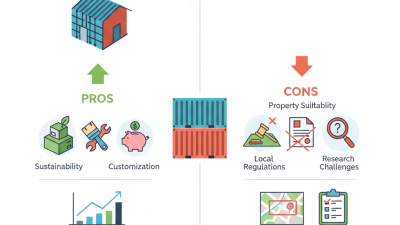
However, it's essential to consider whether converted container homes are the right choice for you. While they boast affordability and creative freedom, there are challenges to address. Factors such as insulation, plumbing, and zoning regulations can complicate the building process. Choosing to live in a container home requires thoughtful planning and consideration.
Converted container homes may not suit everyone. Assessing your lifestyle, local building codes, and personal preferences is vital. These homes can be efficient and stylish but may demand compromises. Reflect on what you truly need in a living space, and weigh the benefits against potential drawbacks.
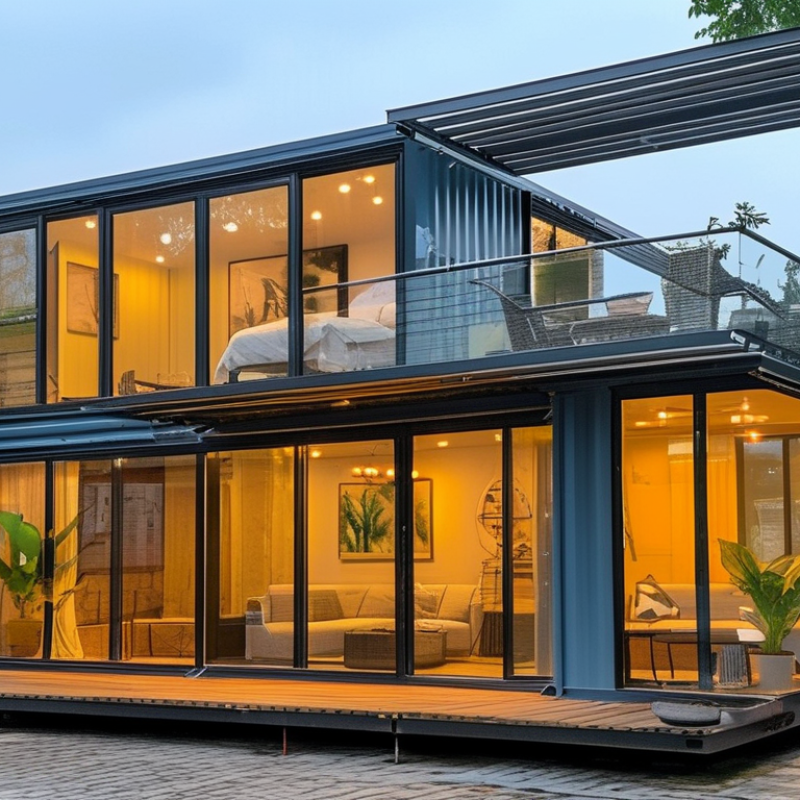
Are Converted Container Homes the Best Choice for You?
Converted container homes have become increasingly popular. They offer a unique solution to housing needs. These homes are eco-friendly and often cost-effective. Many people appreciate their industrial aesthetic and versatility. They can be customized to fit various lifestyles and preferences.
However, potential homeowners should carefully consider their choices. Container homes usually have limited space. This can be a challenge for larger families. Also, insulation and energy efficiency can be issues. Local building codes might restrict construction. It's essential to navigate these regulations before deciding.
Living in a container home can be rewarding. Yet, it may not suit everyone. Reflect on your needs and lifestyle. Make sure to research thoroughly and consult experts. A container home can be a great choice, but it requires careful thought.
Understanding the Cost-Effectiveness of Container Homes vs. Traditional Housing
When considering housing options, cost-effectiveness is a key factor. Container homes often present a more affordable choice than traditional houses. These homes can be built for less money and in less time. A standard container can cost significantly less than a typical home, making it an attractive option for many. The savings allow homeowners to allocate funds for other essential needs, such as furnishings or land improvements.
However, there are challenges. Not all container homes are easy to convert. Some might require substantial renovations to meet local building codes. Insulation, plumbing, and electrical systems need careful planning. It’s crucial to assess these costs before diving in. Additionally, the market for container homes is still evolving. Resale value may not be as solid compared to traditional properties, which can leave owners at a disadvantage.
Choosing a container home also means considering lifestyle. Some designs may feel cramped compared to standard homes. Personal comfort varies greatly. Features like layout or space for a growing family are vital. Ultimately, the decision should align with personal needs and future goals. Reflecting on these aspects helps in making a well-informed choice.
Exploring the Environmental Impact of Converted Container Homes
Converted container homes offer a unique solution for eco-conscious living. Their environmental impact deserves careful consideration. Repurposing shipping containers reduces the need for new materials. This practice lessens landfill waste and lowers carbon footprints. However, potential environmental drawbacks exist. Chemical residues from the containers can pose risks. Proper ventilation and insulation are essential.
When contemplating a container home, consider these tips. Ensure thorough cleaning and treatment of containers before use. Research local building codes and regulations. Some areas may restrict or limit such projects. It's wise to consult with experts about long-term sustainability. Understanding the balance of benefits and challenges is crucial.
Adopting container homes doesn't guarantee eco-friendliness. It's vital to evaluate energy usage, water systems, and waste management. Every modification should prioritize the environment. Engage in local sustainability practices to enhance overall impact. Reflecting on these aspects can lead to informed decisions that genuinely support green living.
Assessing the Durability and Longevity of Shipping Containers as Homes
When considering shipping containers as homes, durability and longevity are key factors. Research indicates that shipping containers are typically made from corten steel. This material can withstand harsh weather. Properly treated, containers can last 25 years or more. However, factors like insulation and ventilation can affect their lifespan. Without adequate attention, you may face moisture and rust issues.
Another important point is structural integrity. Containers are strong but not indestructible. If modified poorly, their load-bearing capacity may decrease. A study by the Container Housing Institute states that improper modifications can lead to safety concerns. Homeowners should prioritize professional guidance for alterations.
Moreover, while containers can be sustainable, they require careful planning. Energy efficiency depends on insulation and energy sources. A report from the Eco Building Resource suggests that choosing the right materials can enhance comfort. It's essential to weigh the pros and cons meticulously. Container homes may not suit everyone’s needs, and that is worth considering.
Evaluating Design Flexibility and Space Utilization in Container Homes
Container homes offer unique design flexibility. Their modular construction allows for various layouts. This flexibility can meet different lifestyle needs. From compact studios to multi-bedroom dwellings, the options are diverse.
Space utilization in container homes is remarkable. With careful planning, every square foot can serve a purpose. Multifunctional furniture creates adaptable living areas. Design elements can maximize natural light and improve airflow. However, achieving a well-balanced design can be challenging. One might struggle with storage or integrating appliances seamlessly.
While container homes present exciting possibilities, they also introduce complexities. Insulation and climate control must be considered carefully. The structural modifications required might not always align with individual needs. The process can be costly and time-consuming. It's essential to weigh these factors against the benefits of such innovative living spaces.